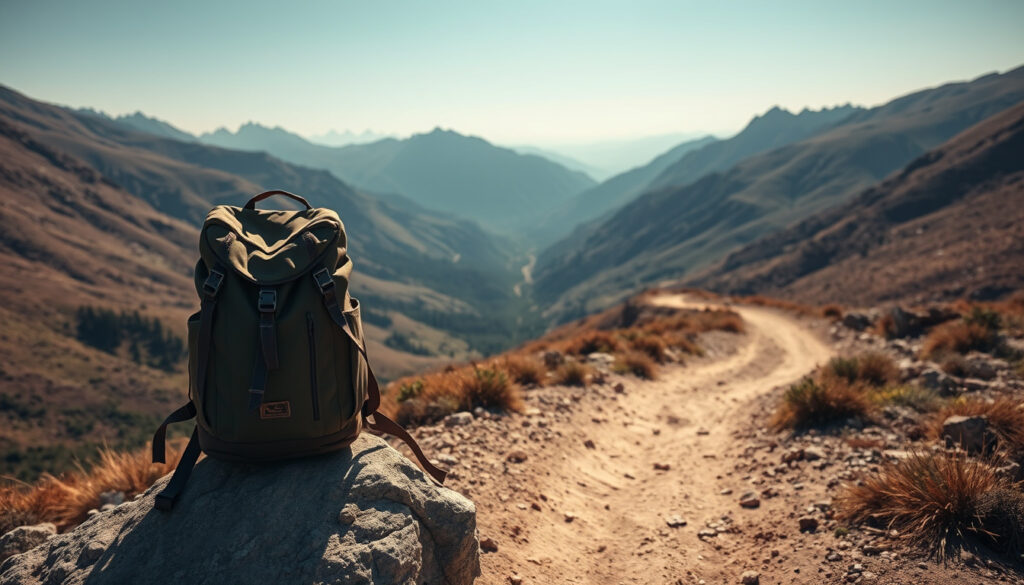
Best Places to Explore Off the Beaten Path for Solo Travelers
There’s a particular quiet that hits when the trailhead is empty and the only sound is your own boots on gravel — if you’ve been scanning map apps for somewhere less crowded, you already know the problem isn’t a lack of beautiful places but sorting genuinely off-the-beaten-path spots from the ones that just look that way on social media. This article pulls together practical, source-backed guidance for finding lesser-visited nature destinations as a solo traveler — from Iceland’s hiking routes to Mongolia’s open plains — with safety and conservation built into the plan.
Regions referenced: 14 · Safety layers covered: 4 · Sources consulted: 4
Quick snapshot
- Iceland pairs hiking, hot springs, and northern-lights viewing in one solo-friendly trip; Mongolia offers nomadic culture, horseback travel, open plains, and camping (Overlanding America (overland-travel guide)).
- Botswana and Tanzania are recommended for wildlife-focused solo travel through small-group or private safaris (Hostelworld (global hostel-booking platform)).
- The reviewed sources name regions, but exact off-season windows for specific parks are left open.
- Comfort and safety vary by route and season; a destination that suits one traveler may not suit another.
- Before departure: share your itinerary with a trusted person, set up backup contacts, and check local laws and customs before you head out (Hidden Path Journeys (off-beat travel blog)).
- Small-group hikes and eco-tours can improve safety while helping you meet other travelers (Hidden Path Journeys (off-beat travel blog)).
- The table below flags the most accessible entry points if you’re still building solo confidence. (Hidden Path Journeys (off-beat travel blog))
Six planning facts, one pattern: the places that reward solo travelers are the ones that demand the clearest preparation.
| Focus | What to know | Reference |
|---|---|---|
| Before-you-go basics | Research routes and campgrounds; pack a map, compass, and first-aid kit; follow Leave No Trace practices. | Overlanding America (overland-travel guide) |
| Long-haul nature picks | Alaska, New Zealand, the Alps, Patagonia, and US national parks for nature-oriented solo trips. | Hostelworld (global hostel-booking platform) |
| Accessible entry points | Portugal, Thailand, and Japan for travelers building solo confidence. | Hostelworld (global hostel-booking platform) |
| Cultural preparation | Check local laws and customs, learn basic local phrases, and carry essential documents. | Hidden Path Journeys (off-beat travel blog) |
| Hazards to plan for: Canada | Bears and moose are the major wilderness risks in remote areas. | Outside (outdoor adventure magazine) |
| Hazards to plan for: Australia | Crocodiles, snakes, and jellyfish are notable hazards on solo-travel routes. | Outside (outdoor adventure magazine) |
Why “off the beaten path” is a planning problem, not just a place
The destinations that look most inviting on a map are often the ones with the least margin for error. A crowded landmark has safety in numbers; an empty valley has none, which is why the research keeps returning to preparation: knowing local rules, carrying the right equipment, and telling someone where you’ll be.
Solitude usually arrives with less infrastructure. Iceland’s hot springs and Mongolia’s open plains sit at opposite ends of the same trade: dramatic quiet, and a longer distance to the nearest help.
The implication: the hardest part of an off-beat solo trip isn’t the hiking — it’s the judgment calls you make before you leave.
How to choose a quiet destination without choosing risk
The guidance reads less like a list of rules and more like a filter. Run every destination through the same checks before you commit.
- Check the wildlife file before you book. Canada’s bears and moose and Australia’s crocodiles, snakes, and jellyfish are manageable risks only if you plan for them (see the hazards rows in the table above).
- Treat “remote” as a multiplier. Longer distances to help mean your map, compass, and first-aid kit move from useful to essential.
- Prefer options with a person on call. Small-group hikes, eco-tours, and safari operators add a safety net and company.
- Match the destination to your experience. The accessible entry points in the table above are a deliberate starting place, not a consolation prize.
Wildlife is the part of the plan people skip. In Canada, bears and moose cause most of the serious wilderness incidents; in Australia, crocodiles, snakes, and jellyfish sit at the top of the risk list. Neither country is off-limits — both demand a different kind of respect.
Why this matters: the destinations that satisfy the “off the beaten path” itch are the same ones where a small mistake has a large consequence.
Where the quiet actually is: destination ideas
The list is shorter than a typical travel roundup, and that’s deliberate. Each place below comes from the sources cited in the key facts table above.
- Iceland — hiking, hot springs, and northern-lights viewing in one itinerary.
- Mongolia — nomadic culture, horseback travel, open plains, and camping.
- Botswana & Tanzania — wildlife-focused solo travel via small-group or private safaris.
- Alaska & New Zealand — off-the-beaten-path road-trip energy.
- The Alps, Patagonia & US national parks — nature-oriented trips with established trails.
- Portugal, Thailand & Japan — accessible entry points if you’re still building solo confidence.
None of these places requires you to be an expedition athlete. What they require is a plan: routes checked in advance, contacts shared, and a mode of travel — even a small group — that keeps someone aware of where you are.
The pattern: the best solo destinations aren’t the ones with the fewest people; they’re the ones with the clearest rules for being there alone.
What’s confirmed, what’s still unclear
This research is low-confidence, so treat the two lists differently: the confirmed items are your floor, and the unclear items are your homework.
Confirmed facts
- Route and campground research before departure is non-negotiable for solo hikers (Overlanding America (overland-travel guide)).
- A map, compass, and first-aid kit are the baseline equipment for solo hiking and camping (Overlanding America, cited above).
- Canada’s bears and moose and Australia’s crocodiles, snakes, and jellyfish are the wildlife hazards named most often in the research (Outside, cited above).
What’s unclear
- Exact off-season windows for specific parks aren’t pinned down in the sources reviewed.
- A single safety ranking of countries isn’t possible from this research; conditions vary by region, season, and route.
- The line between “off the beaten path” and “under-supported” shifts with traveler experience; no list can settle it for everyone.
The takeaway: treat the confirmed list as your floor and the unclear list as your research assignment.
What the guidance keeps repeating
Across the four sources, the same messages surface in different words. These are the formulations worth remembering.
In Canada, the wilderness comes with bears and moose; in Australia, crocodiles, snakes, and jellyfish are the hazards you plan around before you go.
Remote national parks, mountains, valleys, and wilderness areas can provide solitude and nature-focused experiences for solo travelers.
— Hidden Path Journeys (off-beat travel blog), cited above
Solo hikers and campers should research routes and campgrounds before departure.
— Overlanding America (overland-travel guide), cited above
The consistency is the signal: the same safety instructions emerge from a booking platform, an adventure magazine, and two niche travel guides.
The practical takeaway
Nobody books an empty valley to be managed. But the research reviewed here keeps returning to the same equation: solitude plus distance equals a higher cost for mistakes. For solo travelers weighing a remote trip, the decision is clear: plan for the risks before you chase the quiet — or discover them at the trailhead.
The catch: preparation is the only thing that turns solitude into a safe adventure.
voyagernest.com, hostelworld.com, nathab.com, travelandleisure.com, patrika.com
Frequently asked questions
What’s the best off-the-beaten-path destination for a first solo nature trip?
The most accessible options referenced in this article are Portugal, Thailand, and Japan — the research lists them as relatively easy entry points for solo travelers. Iceland is the more adventurous choice if you want dramatic landscapes with established hiking routes.
Is it safe to travel solo in remote nature?
The sources tie safety to preparation rather than to a specific country. Share your itinerary with a trusted person, set up backup communication, research routes and campgrounds, and carry a map, compass, and first-aid kit. Wildlife hazards in Canada and Australia show why local conditions matter.
How can I meet people when I’m traveling alone in nature?
Small-group hikes, eco-tours, and private or small-group safaris are the most direct route. Botswana and Tanzania, for example, are recommended for wildlife-focused solo travel partly because the safari format provides structure and company.
What should I pack for a solo wilderness trip?
The essentials named in the sources are a map, compass, and first-aid kit. Add reliable communication, essential documents, and a few basic local-language phrases if English isn’t widely spoken where you’re going.
Should I worry about wildlife when traveling solo?
It depends on the destination. The research flags bears and moose in Canada, and crocodiles, snakes, and jellyfish in Australia, as the hazards to plan around. Check local wildlife guidance before you head out.
Is a small-group tour better than going completely solo?
Small-group hikes and eco-tours improve safety and make it easier to meet people, especially if you’re new to solo travel. Going completely solo is viable, but the research recommends group formats as a safety net rather than a compromise.
Related reading
More related posts
 Subsistence Rates Ireland 2025: Civil Service Guide
 Scariest Movies of All Time: The #1 Pick by Critics & Science
 Connolly Station Car Park: Prices, Booking, Safety & Hours
 Irish Driving Test Road Signs: The Complete RSA Guide
 Chelsea F.C. vs AFC Bournemouth Stats: H2H, Results, Predictions
 Why Am I Peeing So Much All of a Sudden? Causes & When to Worry
 The Bad Guys 2: Netflix Release, Age Rating & Sequel News
 Southampton vs Man City: FA Cup TV, Prediction & Head-to-Head
