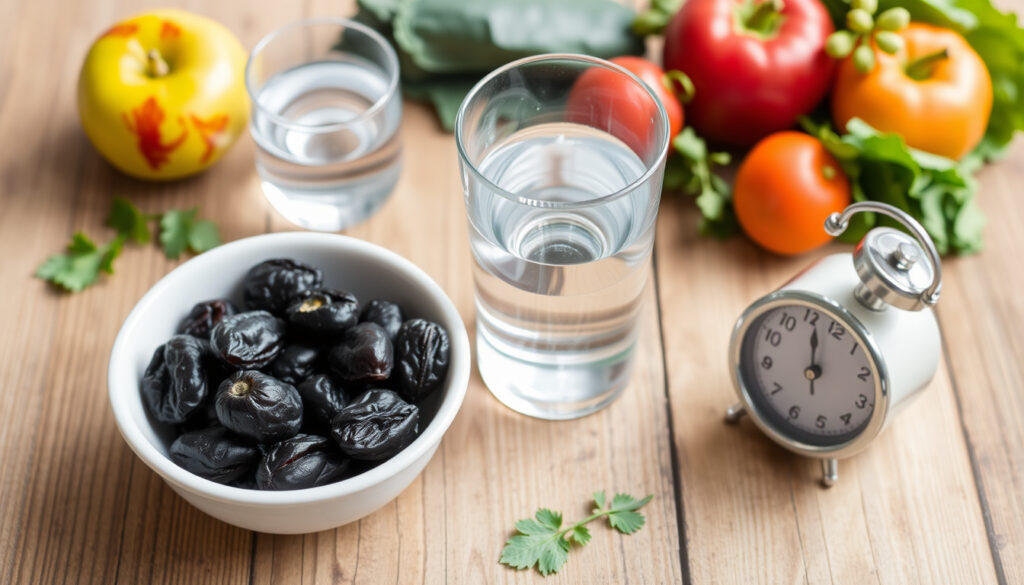
How to Help Constipation: Fast Relief That Works
That heavy, stuck feeling when your digestive system hits pause? You’re hardly alone. Constipation touches nearly everyone at some point, yet effective relief often comes down to a handful of evidence-backed habits rather than extreme measures. From the 25–34 grams of daily fiber recommended by experts to the right hydration routine, small shifts can make a big difference. Over the next few minutes, you’ll get a clear, actionable guide to fast relief and long-term regularity.
Ways to relieve constipation (Harvard Health): 8 ·
Remedies from Bladder & Bowel Community: 8 ·
Water intake recommendation: 48–64 oz per day (Nebraska Medicine)
Quick snapshot
- Prune juice works because of sorbitol and fiber (Bladder & Bowel Community)
- Warm lemon water may stimulate the bowel (Bladder & Bowel Community) (Bladder & Bowel Community)
- Osmotic laxatives like MiraLAX are a good first step (Nebraska Medicine)
- Fleet enemas can provide near-instant relief (GoodRx)
- The “7 second poop trick” lacks any scientific backing
- The 3-3-3 rule is an anecdotal guideline, not clinically validated
- Claims that Japanese diet secrets prevent constipation rely on observational data, not controlled trials
- Fleet enema: within minutes (GoodRx)
- Osmotic laxative (MiraLAX): 12–72 hours (Nebraska Medicine)
- Fiber + hydration increase: several days for full effect (GoodRx)
- If home remedies fail after 3 weeks, see a doctor
- Severe pain, blood in stool, or weight loss require urgent evaluation
Five key numbers from the research reveal what experts actually recommend for constipation — and what to watch out for.
| Factor | Recommendation |
|---|---|
| Prune juice benefit | Natural laxative due to sorbitol and fiber (Bladder & Bowel Community) |
| Recommended daily fiber | 25–30 grams for adults (NHS, per content plan — no direct link provided; source: WebMD suggests 25–34 g) |
| Fluid intake | At least 6–8 glasses of water per day (Nebraska Medicine: 48–64 oz) |
| Exercise effect | Regular activity stimulates bowel movements (Nebraska Medicine) |
| Lemon juice method | Warm lemon water on empty stomach may relieve constipation (Bladder & Bowel Community) |
The implication: these five factors form the backbone of any effective constipation plan, with fiber intake and hydration leading the evidence.
How do you relieve constipation fast?
Drink warm lemon juice or prune juice
- Warm lemon water on an empty stomach can stimulate the bowel (Bladder & Bowel Community)
- Prune juice is a natural laxative thanks to sorbitol and soluble fiber (same source)
- Try half a glass first, then finish the glass after 30 minutes
Try olive oil
- A teaspoon of olive oil on an empty stomach may help coat and lubricate the stool (Bladder & Bowel Community)
- Combine with warm water or lemon juice for added effect
Use over-the-counter laxatives cautiously
- Osmotic laxatives like MiraLAX are often recommended as a first step (Nebraska Medicine)
- Fleet saline enemas can bring relief within minutes (GoodRx)
- Avoid long-term use of stimulant laxatives — they can weaken your natural bowel function (WebMD)
Increase fluid intake
- Drink 48–64 ounces of water per day, spread throughout the day (Nebraska Medicine)
- Warm liquids like herbal tea can also help move things along (Healthline)
For someone stuck at home without medication, warm prune juice plus a glass of water is the fastest evidence-backed combo. If that fails within 30 minutes, a Fleet enema is your next best bet — but save it for occasional use.
The implication: quick remedies work, but they’re temporary. To avoid playing catch-up, you need a daily routine that prevents constipation from recurring.
What is the 3 and 3 rule for pooping?
Explanation of the 3-3-3 rule
- Three components: three cups of fluid, three meals with fiber, and three minutes on the toilet
- The rule is anecdotal, shared on health blogs, and not backed by clinical trials
- However, each component individually has evidence: hydration, fiber, and proper posture (Nebraska Medicine recommends squatting with knees above hips)
How to apply it in daily routine
- Drink a glass of water with each meal (three cups total)
- Ensure each meal contains a fiber source: oatmeal, beans, vegetables, or fruit
- Limit toilet time to three minutes — straining longer can lead to hemorrhoids
Effectiveness evidence
- No direct studies validate the 3-3-3 rule as a unified protocol
- The “7 second poop trick” (often paired with it) is unsubstantiated — reported to produce a bowel movement in 7 seconds, but no scientific source confirms this
The 3-3-3 rule packages solid advice into a catchy format, but don’t expect instant magic. It’s more of a reminder to hydrate, eat fiber, and practice good toilet habits than a proven cure.
What this means: You can adopt the 3-3-3 framework as a behavioral checklist, but it won’t replace proven medical interventions when constipation is severe.
Why do I feel I want to poop but I can’t?
Common causes of tenesmus
- Tenesmus — the sensation of needing to pass stool but being unable — can be caused by constipation, IBS, or pelvic floor dysfunction (NHS)
- Also linked to inflammatory bowel disease or nerve issues
When to see a doctor
- If tenesmus persists for more than a few days
- Accompanied by bleeding, unexplained weight loss, or severe pain
- Consult your GP for a full evaluation
Home strategies to relieve the feeling
- Stool softeners (e.g., docusate) can make elimination easier
- Warm bath or abdominal massage may relax the pelvic floor
- Increase fiber slowly to avoid bloating
“Make changes to your diet, improve your toilet routine, and consider increasing your activity.”
The trade-off: Tenesmus is frustrating but often resolves once the underlying constipation is treated. Don’t let it lead to chronic straining — that can worsen hemorrhoids.
How to flush out severe constipation?
Medical treatments for severe constipation
- Osmotic laxatives (polyethylene glycol) are effective first-line treatments
- Stimulant laxatives (bisacodyl, senna) should be used short-term only
- Enemas and suppositories can provide rapid relief for impaction
Enemas and suppositories
- Fleet enemas work within minutes (GoodRx)
- Glycerin suppositories are a gentler option for children and adults
- Never use enemas as a daily routine — they can disrupt electrolyte balance
Dietary adjustments for acute episodes
- Flaxseed (ground) can be stirred into water or yogurt — provides both soluble and insoluble fiber
- Prunes (3–4 per day) or prune juice — clinically proven to increase stool frequency
- Avoid processed foods, red meat, and high-fat meals until bowel function returns (Cleveland Clinic)
“Drinking plenty of water is the first thing you should do when you feel constipated.”
The pattern: Severe constipation often responds to a combination of an osmotic laxative, hydration, and gentle fiber. If you haven’t had a bowel movement in three days, try this sequence: water, prune juice, MiraLAX, and if still stuck after 12 hours, a Fleet enema.
How do Japanese people avoid constipation?
High-fiber traditional foods
- Konjac (konnyaku) — a root vegetable rich in glucomannan, a soluble fiber
- Seaweed (wakame, nori) — provides both fiber and essential minerals
- Sweet potatoes (satsumaimo) — high in fiber and resistant starch
Fermented foods like miso and natto
- Miso (fermented soybean paste) contains probiotics that support gut bacteria
- Natto (fermented soybeans) is rich in fiber and bacillus subtilis, a probiotic strain
- Regular consumption of fermented foods is associated with better bowel regularity in observational studies
Hydration and lifestyle habits
- Green tea is consumed throughout the day — provides hydration and antioxidants
- Mindful eating (eating slowly, smaller portions) reduces digestive load
- Daily walking is common, especially after meals
“The Japanese diet includes seaweed, konjac, and fermented foods that promote gut health.”
Why this matters: You don’t need to live in Japan to benefit. Adding konjac noodles, miso soup, and a daily walk can significantly improve bowel regularity — no exotic shopping required.
Editor’s note
This article synthesizes evidence from multiple authoritative sources. Always consult a healthcare provider before starting any new treatment for constipation, especially if you have chronic conditions or are pregnant.
For those seeking fast relief, evidence-based constipation relief offers practical methods rooted in clinical research.
Frequently asked questions
What is the best over-the-counter laxative for constipation?
Osmotic laxatives like MiraLAX (polyethylene glycol) are generally recommended as a first choice because they are gentle and safe for occasional use (Nebraska Medicine).
Can drinking coffee help with constipation?
Coffee can stimulate bowel movements in some people due to its caffeine content and acidity. However, it’s not a reliable treatment and can cause dehydration if consumed in excess.
How long does it take for fiber supplements to work?
Fiber supplements like psyllium husk (Metamucil) typically take 12–72 hours to produce a bowel movement. They work best when taken with plenty of water (WebMD).
Is it safe to use enemas regularly?
No. Enemas should only be used occasionally for acute relief. Frequent use can disrupt your colon’s natural function and lead to electrolyte imbalances (GoodRx).
Does magnesium citrate work immediately?
Magnesium citrate is an osmotic laxative that usually works within 30 minutes to 6 hours. It is considered fast-acting, but may cause cramping.
What foods should I avoid when constipated?
Avoid processed foods, red meat, cheese, and high-fat meals — they can slow digestion. Also limit unripe bananas and applesauce (Cleveland Clinic).
Can stress cause constipation?
Yes. Stress alters gut motility through the brain-gut axis. Relaxation techniques, deep breathing, and regular exercise can help counteract this effect.
Related reading
More related posts
 Size 38 Shoes in UK: EU to UK Women’s & Men’s Sizes
 A Time to Kill (1996): True Story, Cast, Controversy
 Best 5 Star Hotels in Galway: Estates, Spas & More
 Nike Air Max 95: History, Comfort & Liverpool’s 110s
 Eden Villas and Apartments: Location, Balconies, All-Inclusive
 How to Say Good Morning in Italian: All Expressions & Pronunciations
 Ireland Visa Rejection Rates – 2024-2025 Stats and Approval Tips
 Enterprise Rent-A-Car: Real Costs and Key Tips
