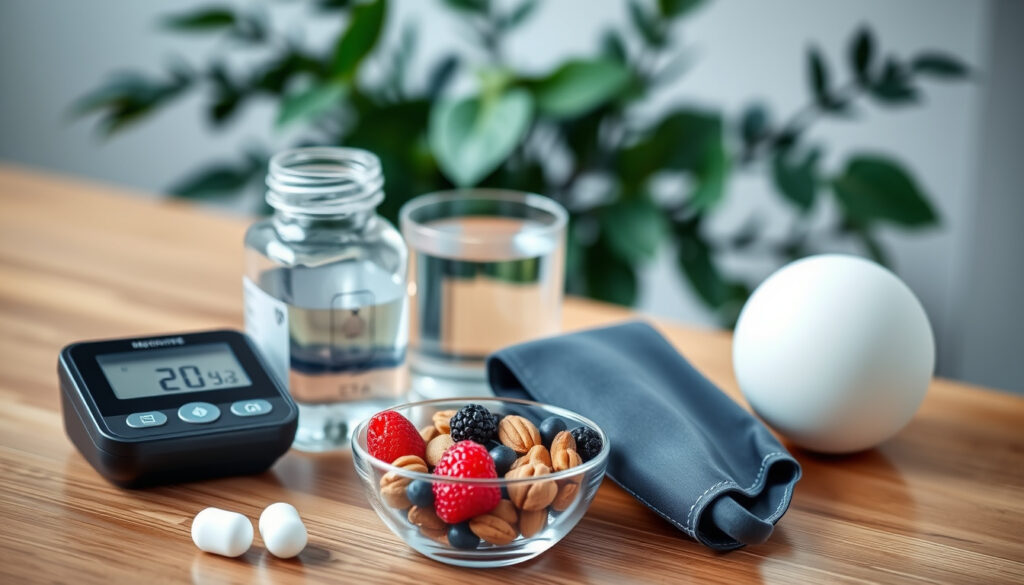
High Blood Pressure Treatment: Meds, Lifestyle & Quick Relief
If your blood pressure reading has you reaching for a second opinion, you’re not alone — and small changes can make a real difference. Regular aerobic exercise can lower systolic blood pressure by about 5 to 8 mm Hg, according to the Mayo Clinic (leading U.S. medical center), and combining medication with lifestyle adjustments is often the most effective path.
Global prevalence of hypertension: 1.28 billion adults (WHO) ·
Blood pressure control rate worldwide: Only 21% of adults with hypertension have it under control (WHO) ·
Risk of stroke per 20 mmHg systolic increase: Stroke risk doubles for each 20 mmHg rise in systolic BP (AHA) ·
Effect of 10 mmHg reduction on cardiovascular events: A 10 mmHg drop in systolic BP reduces cardiovascular risk by 20% (Lancet)
Quick snapshot
- Lifestyle changes lower BP (Mayo Clinic)
- Medications effectively control BP (American Heart Association)
- Certain drinks (beetroot juice) show benefit (ACC/AHA guidelines)
- Exact mechanism of some natural remedies
- Long-term effect of “60-second trick”
- Whether any single “miracle pill” exists without side effects
- Medication effects appear within 2–4 weeks; full benefit by 8 weeks (ACC/AHA)
- Lifestyle changes can show impact in 1–3 months (Mayo Clinic)
- More trials on combination pills and adherence tools
- Updated guidelines emphasizing early, aggressive treatment
The table below summarizes the key prevalence and impact numbers every patient should know.
| Measure | Value |
|---|---|
| Global prevalence | 1.28 billion adults (WHO) |
| Control rate | 21% (WHO) |
| Risk per 20 mmHg systolic increase | Stroke risk doubles (AHA) |
| Lifestyle effect | Weight loss of 5% can reduce BP by 5 mmHg (Mayo Clinic) |
Which is the best treatment for high blood pressure?
Medication is the backbone of hypertension treatment, but the “best” option hinges on your age, race, and other health conditions. Here’s how the major classes stack up.
ACE inhibitors and ARBs
- Relax blood vessels by blocking the production or action of angiotensin II (ACC/AHA guidelines)
- Often first-line for younger patients, especially under 55 (American Heart Association)
- Side effects include cough (ACE) and rarely angioedema
Calcium channel blockers
- Widen arteries by preventing calcium from entering cells (ACC/AHA)
- Particularly effective in Black patients and older adults (AHA)
- May cause ankle swelling and constipation
Diuretics
- Reduce blood volume by increasing sodium and water excretion (ACC/AHA)
- Often used in combination with other classes (AHA)
- Can lower potassium; require monitoring
Beta blockers
- Reduce heart rate and cardiac output (ACC/AHA)
- Not first-line in uncomplicated hypertension but useful in patients with heart failure or angina
- May cause fatigue and cold hands
Four drug classes, one pattern: no single agent works perfectly for everyone, and many patients require two or more medications to reach the 2025 AHA treatment target of under 130/80 mm Hg. The implication: expect combination therapy, not a magic bullet.
A patient with stage 2 hypertension (≥140/90) may need a two-drug combination from day one. ACC/AHA guidelines recommend prompt upward dose adjustment for readings of 160/100 or higher.
Five drug classes, one key trade-off: effectiveness vs. side-effect profile. The table below summarizes the main working mechanisms and typical systolic reduction.
| Drug class | Mechanism | Typical systolic reduction |
|---|---|---|
| ACE inhibitors | Blocks angiotensin II production | 10–15 mm Hg |
| ARBs | Blocks angiotensin II receptors | 10–15 mm Hg |
| Calcium channel blockers | Prevents calcium entry into muscle cells | 10–15 mm Hg |
| Diuretics | Reduces fluid volume | 8–12 mm Hg |
| Beta blockers | Slows heart rate and contractility | 8–10 mm Hg |
The pattern is clear: all major classes deliver meaningful reductions, but choice depends on age, race, and comorbidities. For example, calcium channel blockers tend to work better in Black patients, while ACE inhibitors are first-line in younger Caucasian patients.
How can I bring my blood pressure down quickly?
Deep breathing techniques
- Slow, deep breathing (4 s in, 6 s out) can lower BP by 5–10 mm Hg in minutes (AHA)
- Works by calming the sympathetic nervous system
- Not a replacement for medication, but useful in acute stress
Exercise and movement
- Brisk walking for 10 minutes can produce a temporary drop of 5–7 mm Hg (Mayo Clinic)
- Avoid isometric exercises (like heavy lifting) during a spike
- Consistent aerobic activity yields lasting reductions
Hydration and salt reduction
- Drinking 1–2 glasses of water can temporarily lower BP if dehydrated
- Reducing sodium intake by 1,000 mg/day lowers BP by 5–6 mm Hg over days (Mayo Clinic)
- Long-term benefit requires consistent dietary change
When to seek emergency help
- If BP is >180/120 mm Hg and accompanied by chest pain, headache, or shortness of breath — call 911 (AHA)
- Do not try to “wait it out” at home
Quick methods buy time, not a cure. The logical consequence: anyone with very high readings should get to an emergency room rather than relying on breathing exercises alone.
What to drink to lower blood pressure?
Water and hydration
- Even mild dehydration can raise BP by constricting blood vessels
- Plain water is the safest choice — no sugar, no caffeine
Beetroot juice
- Rich in nitrates that convert to nitric oxide, dilating vessels (Mayo Clinic)
- Study data show 3–8 mm Hg reduction after one drink
- Effect peaks at 3–6 hours
Skim milk
- Dairy peptides may mildly lower BP (AHA)
- Best as part of the DASH diet, not a stand-alone fix
Herbal teas like hibiscus
- Hibiscus tea contains anthocyanins that can lower BP by 4–5 mm Hg in some trials
- Lacks regulation; choose reputable brands
The consistent message: no drink replaces medication, but swapping sugary soda for beetroot juice or hibiscus tea adds a modest, evidence-supported edge.
What is the miracle pill for high blood pressure?
No single pill works for everyone without side effects. The so-called “miracle pill” is a marketing myth — real control comes from the right drug or combination tailored to your body.
What the term “miracle pill” refers to
- Often used online for single-pill combinations like losartan/HCTZ
- These combine two or three mechanisms in one tablet (ACC/AHA)
- Improve adherence — but still not a miracle
Single-pill combinations
- Examples: amlodipine/benazepril, valsartan/HCTZ
- Simplifies dosing: one pill instead of three (AHA)
- May cost more; check insurance formulary
Limitations of any one drug
- Every drug has side effects — cough, dizziness, electrolyte imbalances
- No drug can undo a high-sodium, low-activity lifestyle (AHA)
- Combination therapy is the rule, not the exception
The reality: patients who expect a single miracle pill are often disappointed. The better approach is to view treatment as a partnership — the right medication plus lifestyle changes.
What to do first thing in the morning to lower blood pressure?
Morning routine checklist
- Check BP after waking (empty bladder, sit calmly 5 min) (AHA)
- Take morning medications as prescribed
- Eat a low-sodium breakfast (oatmeal with berries, not bacon)
Medication timing
- Most BP meds are taken in the morning; some at night
- Consistent timing avoids missed doses and prevents morning surge (ACC/AHA)
- If you forget, take it when remembered — but never double up
Avoid caffeine on empty stomach
- Caffeine can raise BP 5–10 mm Hg temporarily, especially in non-habitual drinkers
- Pair with food or switch to green tea
- Limit to one cup if BP is labile in the morning
The morning pattern is the same every day: check, medicate, eat smart. Why this matters: the morning BP surge (a 15–20 mm Hg rise from sleep to wake) is linked to higher stroke risk. A consistent routine dampens that spike.
Steps to Lower Blood Pressure Effectively
- Get diagnosed correctly — multiple readings over time, not a single high reading. AHA recommends ambulatory monitoring.
- Start medication if BP ≥130/80 — especially if you have diabetes, kidney disease, or known cardiovascular disease. (2025 AHA guidelines)
- Adopt the DASH diet — rich in fruits, vegetables, whole grains, low-fat dairy; can lower systolic BP by up to 11 mm Hg. (Mayo Clinic)
- Exercise at least 150 minutes/week — aerobic activity (brisk walking, cycling) reduces BP by 5–8 mm Hg. (Mayo Clinic)
- Limit sodium to <1,500 mg/day — cuts BP 5–6 mm Hg within weeks. (Mayo Clinic)
- Monitor your BP at home — track readings and share with your doctor.
- Address stress and sleep — poor sleep raises BP; aim for 7–9 hours. (AHA)
The implication: these seven steps work in concert — no single one is a standalone fix, but together they create a powerful foundation for blood pressure control.
Confirmed facts
- Lifestyle changes lower BP — Mayo Clinic
- Medications effectively control BP — American Heart Association
- Certain drinks (beetroot juice) show benefit — ACC/AHA guidelines
What’s unclear
- Exact mechanism of some natural remedies
- Long-term effect of “60-second trick”
- Whether any single “miracle pill” exists without side effects
Expert perspectives
“Early identification and treatment of high blood pressure reduces the risk of heart attack and stroke by about 50%.”
Dr. JJ Coughlan, Mater Private Hospital
“Losing extra weight and watching your waistline are the first, most powerful non-medication strategies for lowering blood pressure.”
Mayo Clinic Staff
For the tens of millions of adults with untreated or undertreated hypertension, the path forward is not a single miracle pill but a sustained partnership between evidence-based medications and daily habits. The choice is clear: act now with a sensible treatment plan, or face a much higher risk of heart attack, stroke, and kidney damage years down the road.
international.heart.org, utswmed.org, cdc.gov, health.harvard.edu, aafp.org
Frequently asked questions
What is considered high blood pressure?
Normal BP is below 120/80 mm Hg. Stage 1 hypertension starts at 130/80, stage 2 at 140/90, according to the ACC/AHA guidelines.
Is it okay to exercise with high blood pressure?
Yes, regular aerobic exercise is recommended. Avoid heavy lifting during a spike, but consistent walking, swimming, or cycling is safe and beneficial (Mayo Clinic).
Can I stop taking medication once BP is normal?
Usually not. Hypertension is a chronic condition. Stopping medication often causes BP to rise again. Never stop without consulting your doctor (AHA).
Does salt intake affect all people equally?
No. About 30–50% of people with hypertension are salt-sensitive, meaning their BP drops more dramatically with reduced sodium. Others show less response (AHA).
What is white coat hypertension?
A temporary rise in BP during medical appointments due to anxiety. It affects up to 30% of patients and is diagnosed through ambulatory monitoring (ACC/AHA).
How does weight loss affect BP?
Losing 5–10% of your body weight can lower systolic BP by 5–10 mm Hg. The effect is roughly linear: more weight loss, bigger drop (Mayo Clinic).
More related posts
 Philippines Earthquake Tsunami Warning: Safety Tips & Guide
 2026 U.S. Open Tee Times: Round 3 & Final Round Schedule
 Minimum Wage Ireland Under 18 – 2026 Rates and Rules
 Blank Map of Ireland: Free Printable PDFs with Counties
 Tottenham vs Crystal Palace: Relegation fears grow after 3-1 loss
 When Is Easter in 2026? April 5, Good Friday & Why Late
 How to Start a Fitness Routine: A Beginner’s Home & Gym Guide
 Pokémon Sun and Moon Guide: Availability After Global Link End
