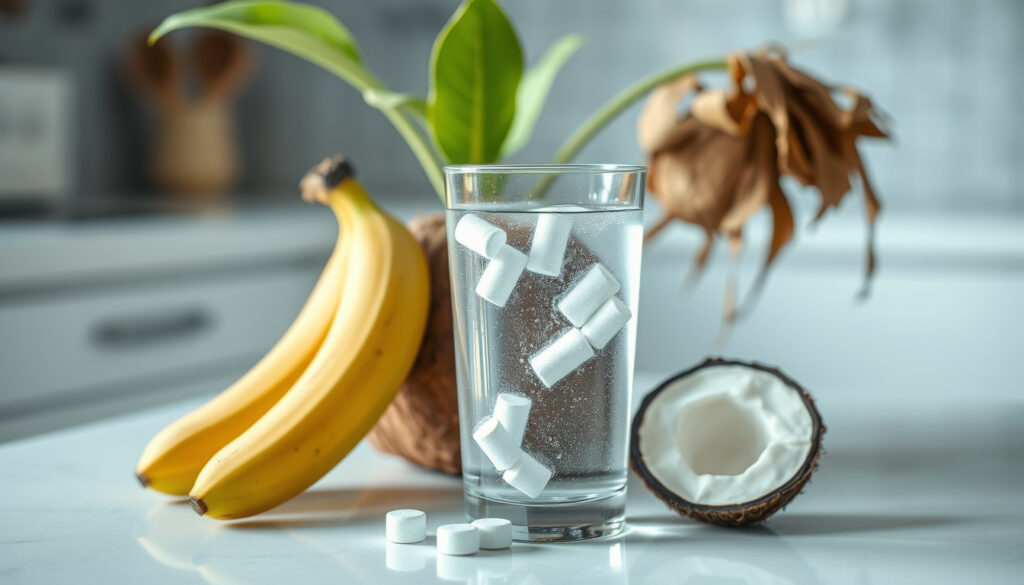
What Do Electrolytes Do? Benefits and Signs of Imbalance
You’ve seen electrolyte drinks on every shelf, but the science is both simpler and more essential than marketing suggests: these charged minerals keep your nerves firing, muscles contracting, heart beating in rhythm, and fluid levels balanced. Here’s what you need to know about spotting an imbalance and when supplementation actually matters.
Key electrolytes: Seven minerals: sodium, potassium, calcium, magnesium, chloride, phosphate, bicarbonate ·
Primary functions: Regulate nerve impulses, muscle contractions, hydration, and blood pH ·
Imbalance impact: Symptoms range from fatigue to cardiac arrhythmias ·
Daily need varies: Depends on activity level, diet, and health conditions (e.g., GLP-1 medications)
Quick snapshot
- Electrolytes regulate nerve and muscle function, fluid balance, and pH (MedlinePlus – U.S. National Library of Medicine)
- Seven main electrolytes: sodium, potassium, calcium, magnesium, chloride, phosphate, bicarbonate (Cleveland Clinic – nonprofit academic medical center)
- Blood tests can measure electrolyte levels (MedlinePlus – Lab Test Guide)
- Whether electrolyte supplements improve athletic performance in non‑deficient individuals (Medical News Today – health news outlet)
- Exact daily electrolyte requirements for people on GLP‑1 medications (Bupa – UK health insurer)
- Whether electrolyte drinks provide meaningful benefit over plain water for daily hydration in non‑athletes (Harvard Health Publishing – medical school press)
- 2023 review in Nutrients highlights growing evidence on electrolyte management in chronic disease (PubMed – NIH database)
- GLP‑1 drug use surged in 2023–2024, raising new questions about electrolyte monitoring (Diabetes UK – patient charity)
- Personalized electrolyte recommendations based on genetics and activity may become standard (Harvard Health Publishing – medical school press)
- Clinical trials on electrolyte drinks for GLP‑1 users are ongoing (ClinicalTrials.gov – U.S. registry)
Seven electrolytes, one unifying role: they carry electrical impulses that keep your body running. Here are the key numbers and sources.
| Electrolyte | Normal Adult Blood Range | Primary Function | Dietary Sources |
|---|---|---|---|
| Sodium | 135–145 mEq/L | Fluid balance, nerve function | Table salt, processed foods, celery |
| Potassium | 3.5–5.0 mEq/L | Heart rhythm, muscle contraction | Bananas, oranges, potatoes, spinach |
| Calcium | 8.5–10.5 mg/dL | Bone health, blood pressure regulation | Dairy, leafy greens, fortified foods |
| Magnesium | 1.7–2.2 mg/dL | Nerve function, muscle relaxation | Nuts, seeds, whole grains, dark chocolate |
| Chloride | 96–106 mEq/L | Acid‑base balance, digestion | Salt, seaweed, tomatoes |
| Phosphate | 2.5–4.5 mg/dL | Energy production, bone structure | Meat, dairy, beans, nuts |
| Bicarbonate | 22–29 mEq/L | pH regulation, CO₂ transport | Produced by kidneys, baking soda |
Sources: Cleveland Clinic – nonprofit academic medical center, MedlinePlus – U.S. National Library of Medicine
Is there a benefit to taking electrolytes?
What specific health benefits do electrolytes provide?
- Electrolytes support nerve impulse transmission and muscle contraction — every movement depends on them (MedlinePlus – electrolyte overview).
- They maintain fluid balance inside and outside cells, preventing dehydration or overhydration (Cleveland Clinic – nonprofit academic medical center).
- Electrolytes help regulate blood pH within a narrow range (7.35–7.45), which is critical for enzyme function (Healthline – health information publisher).
- Specific roles: Sodium controls fluid volume; potassium supports heart rhythm; calcium helps blood vessels contract (Harvard Health Publishing – medical school press).
For someone eating a balanced diet, supplementation is rarely needed. The real benefit comes from food sources — not powders or bottles.
Are there risks to taking electrolyte supplements?
- Excess sodium from supplements can raise blood pressure and strain kidneys (American Heart Association – cardiovascular health authority).
- Too much potassium (hyperkalemia) can cause dangerous heart rhythms (National Kidney Foundation – patient organization).
- Supplement overdoses are possible, especially with single‑electrolyte products (Poison Control – U.S. public service).
What this means: Taking electrolytes when you don’t need them can do more harm than good. Always check with a healthcare provider before starting any electrolyte regimen.
How do you tell if you need electrolytes?
What are the common signs of electrolyte deficiency?
- Early signs include fatigue, muscle cramps, and headaches (Medical News Today – health news outlet).
- Moderate symptoms: dizziness, confusion, irregular heartbeat (MedlinePlus – U.S. National Library of Medicine).
- Severe deficiency can trigger seizures, coma, or cardiac arrest (NHS – UK health service).
- Specific deficits: low potassium → muscle weakness; low calcium → muscle spasms; low magnesium → twitching (Bupa – UK health insurer).
Can a blood test determine electrolyte levels?
- Yes — a basic metabolic panel (BMP) or complete metabolic panel (CMP) measures sodium, potassium, calcium, chloride, and bicarbonate (MedlinePlus – lab test guide).
- Urine color and thirst are rough indicators but not reliable for diagnosis (Mayo Clinic – nonprofit medical center).
The pattern: If you’re healthy and hydrated, you likely don’t need a test. But if symptoms persist, a simple blood draw gives the answer.
Is it good to drink electrolytes every day?
What happens if you drink electrolyte drinks daily?
- For most people, plain water meets daily hydration needs — adding electrolytes can overload sodium or potassium (Healthline – nutrition publisher).
- Chronic high intake of electrolyte drinks may lead to hypernatremia (high sodium) or hyperkalemia (National Kidney Foundation).
- Even “sugar‑free” electrolyte powders often contain artificial sweeteners that may upset digestion (Poison Control – U.S. public service).
Daily electrolyte drinks are marketed to everyone, but your body already regulates electrolyte balance tightly. Unless you’re sweating heavily, you’re probably flushing money down the drain.
Are electrolyte drinks better than water for daily hydration?
- Water remains the gold standard for most people (Mayo Clinic – nonprofit medical center).
- Electrolyte drinks have a small advantage during prolonged exercise (>60 minutes) or in hot climates (American College of Sports Medicine – professional association).
- For office work or light activity, water is sufficient — and cheaper.
Why this matters: The multi‑billion‑dollar sports drink industry profits on a need that rarely exists. Stick to water unless you have a specific reason to replace electrolytes.
Do I need electrolytes on a GLP‑1?
Why are electrolytes important on GLP‑1 medications?
- GLP‑1 drugs (e.g., Ozempic, Wegovy) reduce appetite and food intake, which can drop electrolyte consumption (Diabetes UK – patient charity).
- Nausea and vomiting — common side effects — can cause direct electrolyte losses (NCBI Bookshelf – NIH reference).
- A 2023 review suggests monitoring sodium, potassium, and magnesium in GLP‑1 users, especially during rapid weight loss (PubMed – NIH database).
Can GLP‑1 drugs cause electrolyte imbalances?
- Yes — reduced food intake combined with gastrointestinal side effects raises the risk of hyponatremia (low sodium) and hypokalemia (low potassium) (Endocrine Society – medical professional society).
- Patients on diuretics or heart medications should be especially cautious when starting GLP‑1 therapy (American Heart Association).
The trade‑off: GLP‑1 medications offer significant weight and glycemic benefits, but they require active electrolyte monitoring. If you’re on these drugs, talk to your doctor about periodic lab checks.
What are the first signs of low electrolytes?
What are the symptoms of mild vs severe electrolyte imbalance?
- Mild: fatigue, muscle twitching, headache, slight nausea (Medical News Today).
- Moderate: confusion, dizziness, muscle cramps, palpitations (MedlinePlus – U.S. National Library of Medicine).
- Severe: seizures, loss of consciousness, cardiac arrest (Cleveland Clinic – nonprofit academic medical center).
How to quickly rebalance low electrolytes?
- Eat electrolyte‑rich foods: bananas (potassium), yogurt (calcium), nuts (magnesium), salted broth (Harvard Health Publishing – medical school press).
- Oral rehydration solutions (e.g., WHO formula) are effective after illness or heavy sweating (World Health Organization – global health authority).
- For severe imbalances, intravenous replacement under medical supervision is required (Mayo Clinic – nonprofit medical center).
The pattern: Listen to your body — early muscle twitching or fatigue is a signal, not a nuisance. A quick food‑based fix can often nip the problem.
Upsides
- Electrolyte supplements can rescue performance during prolonged sweating.
- They help correct deficiencies in people with restricted diets (e.g., GLP‑1 users).
- Oral rehydration solutions are proven lifesaving for diarrhea and vomiting.
Downsides
- Overuse can cause dangerous high levels of sodium or potassium.
- Most people don’t need them — marketing creates a false problem.
- Unregulated supplements may contain hidden ingredients or incorrect dosing.
Confirmed facts
- Electrolytes are essential for nerve and muscle function (MedlinePlus – U.S. National Library of Medicine).
- Imbalance can cause serious health issues from fatigue to cardiac arrest (Cleveland Clinic – nonprofit academic medical center).
- Blood tests can accurately measure electrolyte levels (MedlinePlus – lab test guide).
What’s unclear
- Whether electrolyte supplements improve performance in non‑deficient individuals remains debated (Medical News Today – health news outlet).
- Exact daily electrolyte requirements for GLP‑1 users are not yet established (PubMed – 2023 review).
- Whether electrolyte drinks provide meaningful benefit over plain water for daily hydration in non‑athletes is not scientifically proven (Harvard Health Publishing – medical school press).
Electrolytes are substances that have a natural positive or negative electrical charge when dissolved in water. They help your body regulate chemical reactions.
– Cleveland Clinic (nonprofit academic medical center)
Electrolytes are essential for basic life functions. This includes maintaining fluid balance and helping muscles and nerves to work properly.
Sodium helps control fluid levels and supports nerve and muscle function.
– Cleveland Clinic
For the average person eating a varied diet, the decision is clear: skip the trendy electrolyte drinks and get your minerals from food. For athletes in heavy exertion, people on GLP‑1 medications, or those recovering from illness, targeted supplementation under medical guidance makes sense — but never guess. A simple blood test, a conversation with your doctor, and a diet rich in fruits, vegetables, and nuts will keep your electrolytes in balance.
For those who engage in prolonged physical activity, electrolyte drinks like Gatorade can help replenish the minerals lost through sweat, but for most people, plain water is sufficient.
Frequently asked questions
What are the side effects of taking electrolytes?
Too much can cause nausea, diarrhea, and — in severe cases — hypernatremia (high sodium) or hyperkalemia (high potassium), both of which affect heart rhythm (Poison Control). Sticking to food sources avoids these risks.
What do electrolytes do for weight loss?
They help maintain energy levels during calorie restriction, but electrolytes themselves don’t burn fat. A deficiency can cause fatigue that derails exercise (Healthline).
What do electrolytes do when sick?
Vomiting and diarrhea flush out sodium and potassium. Replenishing with oral rehydration solutions prevents dangerous imbalances and speeds recovery (World Health Organization).
What do electrolytes do for women?
Menstruation can lower magnesium and calcium levels, making supplements useful for some women. Pregnancy also increases electrolyte needs (PubMed review).
Can you have too many electrolytes?
Yes — especially sodium and potassium. Excess sodium raises blood pressure; excess potassium can stop the heart. Healthy kidneys usually excrete excess, but impaired kidneys cannot (National Kidney Foundation).
What is the best way to replenish electrolytes naturally?
Eat produce (bananas, oranges, spinach, potatoes, avocados), dairy (milk, yogurt), nuts and seeds, and add a pinch of salt to meals. That covers all seven electrolytes (Harvard Health Publishing).
Do electrolyte drinks help with hangovers?
Alcohol causes dehydration and electrolyte losses. Replenishing can ease headache and fatigue, but water and a balanced meal work just as well — without the sugar and cost (Mayo Clinic).
Related reading: High Blood Pressure Treatment · Why Am I Peeing So Much All of a Sudden?
More related posts
 Aer Lingus Dublin Airport Cyberattack: Key Facts
 Scariest Movies of All Time: The #1 Pick by Critics & Science
 Things to Do in Amsterdam: Top Sights & Budget Tips
 Ireland Visa Rejection Rates – 2024-2025 Stats and Approval Tips
 DCU Clubs and Socs: 140+ Groups, Funding & How to Join
 Land for Sale Westmeath: Agricultural & Residential Sites
 Tara Reid Low Rise Jeans: 2000s Trend & Style Guide
 Attheraces Fast Results Today Live | Latest Horse Racing Results
